Why You Should Mix Turmeric and Black Pepper in Your Next Meal
Discover why familiar herbs and spices are paired together — then get the combinations, preparation steps, and safety notes in one practical guide.
I wanted answers I could use.
So I started in my own kitchen.
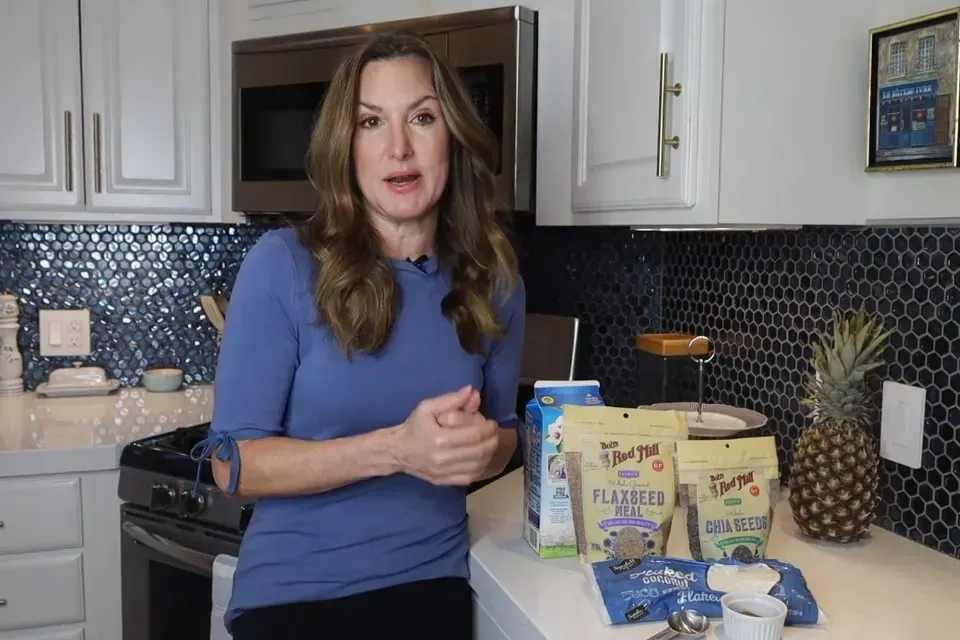
Being told I was prediabetic left me with a question I couldn’t shake: what could I do differently in everyday life?
I was checking my blood sugar, watching my carbs, and trying to make sense of it all. Glucophage came with side effects I found difficult. Expensive cinnamon and turmeric left me with more questions.
So I started reading the studies and comparing traditional preparations. One question kept pulling me back: why are certain herbs and spices so often used together?
What caught my attention wasn’t another expensive ingredient. It was the combination.
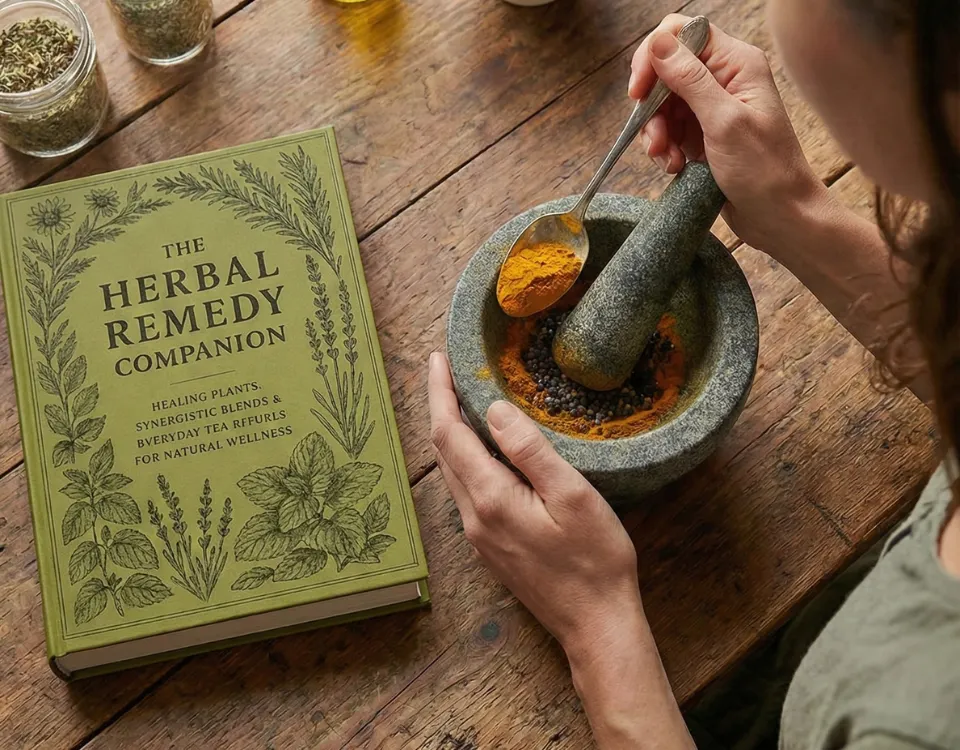
That search became The Herbal Remedy Companion—the reference I wish I’d had from the start. Now, you can skip the scattered tips and find the information in one place.
The turmeric-and-black-pepper connection:
why the pairing matters.
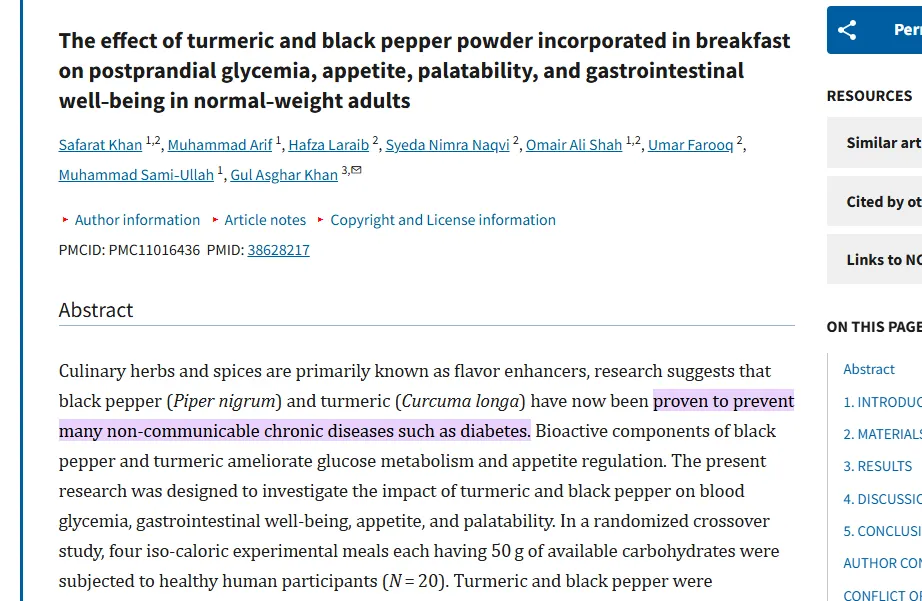
You’ve heard about turmeric. But learning what an ingredient contains is only part of the picture. How it is prepared and combined matters, too.
In a 1998 human study, researchers reported a 2,000% increase in curcumin bioavailability when a specific curcumin dose was combined with piperine. See the research ↓
That finding concerns specific study doses. It does not mean a kitchen recipe produces the same result or treats a medical condition.
A separate 2024 breakfast study looked at turmeric and black pepper in food. Both studies sparked a practical question: what can we learn about the way ingredients work together?
The guide explores combinations, preparation methods, and carrier fats such as olive oil or butter, so you can understand the thinking behind the recipes.
One herb is a starting point.
A thoughtful combination is the next lesson.
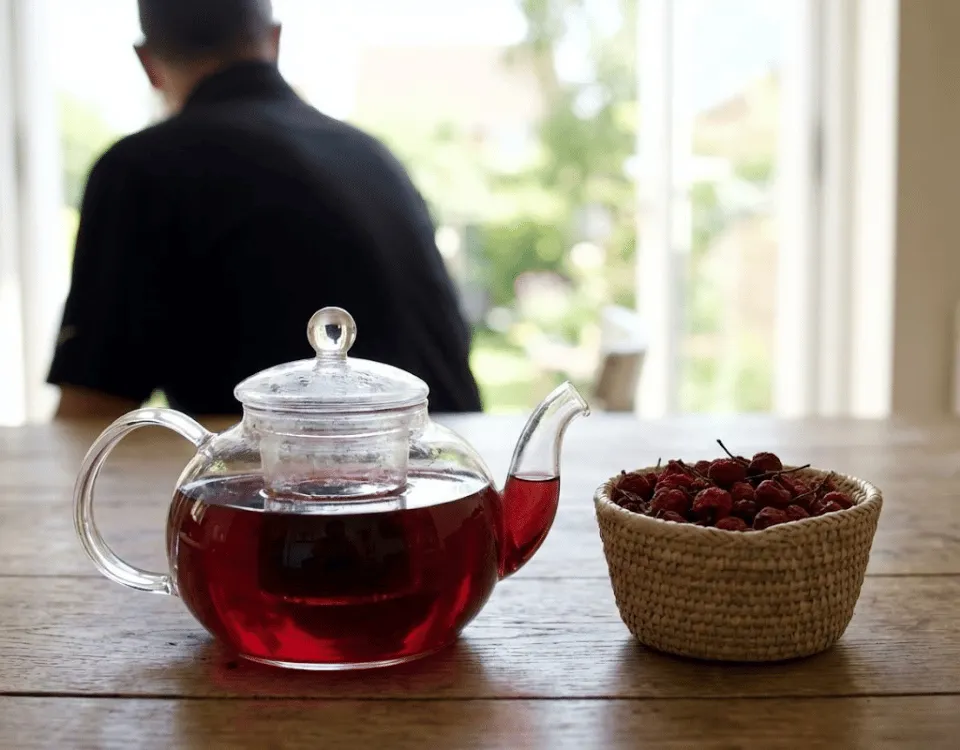
My husband’s experience with high blood pressure sent me back to the journals with a different question: why are hibiscus and hawthorn berry so often paired?
That idea is called synergy: looking at what different ingredients contribute to a combination. It became a central theme of the book.
You’ll see the reasoning behind the pairings, the preparation steps, and the precautions to consider. Find the pairing, understand the preparation, and check the precautions—all in one place.
Herbs can interact with medicines. Use the guide as an educational reference and discuss personal use with your healthcare professional.
A year of research.
One reference you can reach for.
Stop collecting tips.
Start with a clear guide.
I’m not a doctor. I’m someone who wanted practical answers and spent a year gathering the information into a guide that’s easy to read and easy to return to.
Inside, you’ll find 470+ pages and 200+ practical remedies, with herbal profiles, combinations, ratios, preparation methods, and safety notes.
Teas. Tinctures. Infusions. Everyday recipes. Organized so you can open the guide, find a preparation, and follow the steps.
Take a look inside ↓Here’s what you’ll find
when you open your guide.
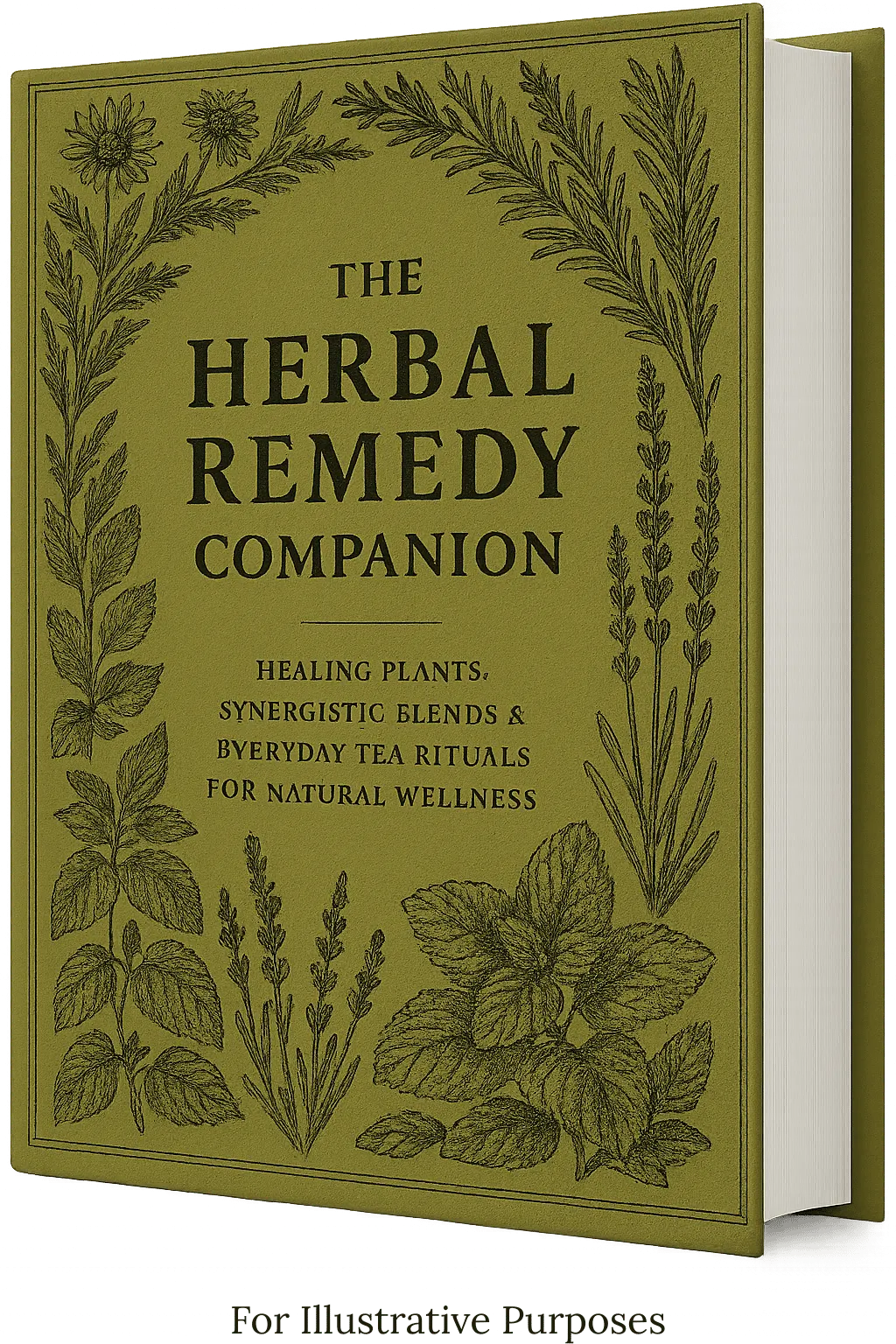
Know the herb.
Know the preparation.
Explore more than 200 remedies across topics including blood sugar, blood pressure, cholesterol, reflux, joint discomfort, focus, fatigue, and digestion.
Herb profiles explain traditional uses, quantities, and preparation as a tea, tincture, or infusion. Find the steps together, where you need them.
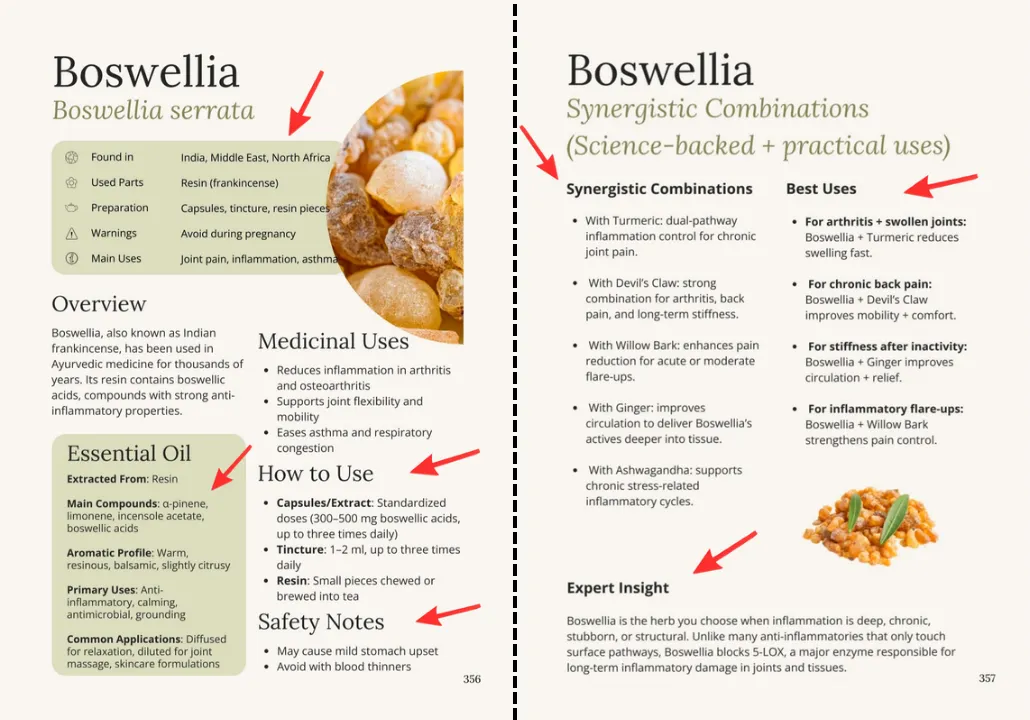
Read the cautions
before you begin.
Find plant-specific safety notes, possible interactions, and cautions relating to pregnancy, medications, and ongoing conditions.
The guide also identifies key medicinal compounds, giving you more context for a conversation with your healthcare professional.
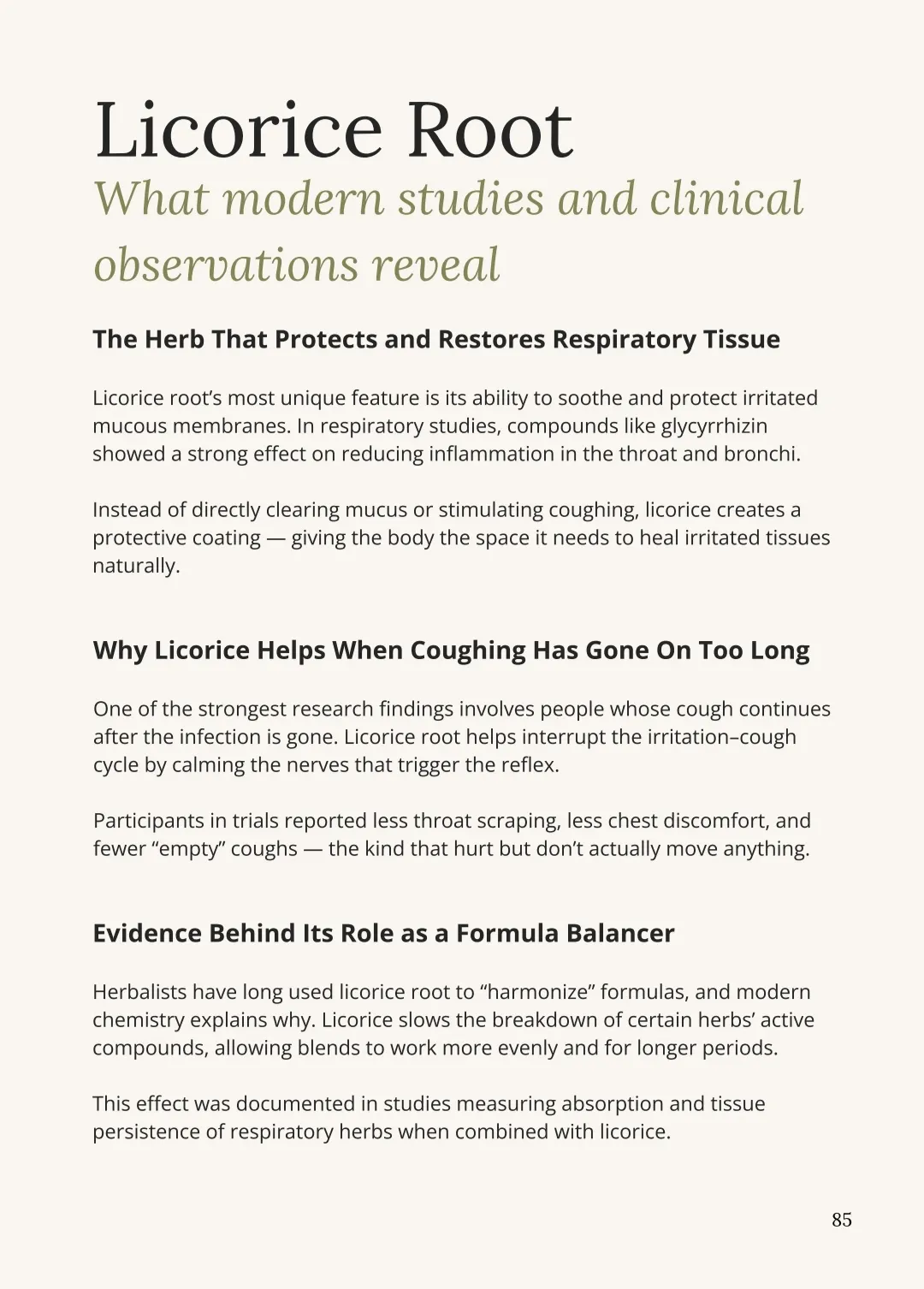
Learn the “why”
behind the blend.
See which herbs the guide pairs, what each contributes, and how the preparation brings them together.
Plain-language research explanations help you distinguish traditional use from findings studied in a lab or clinical setting.
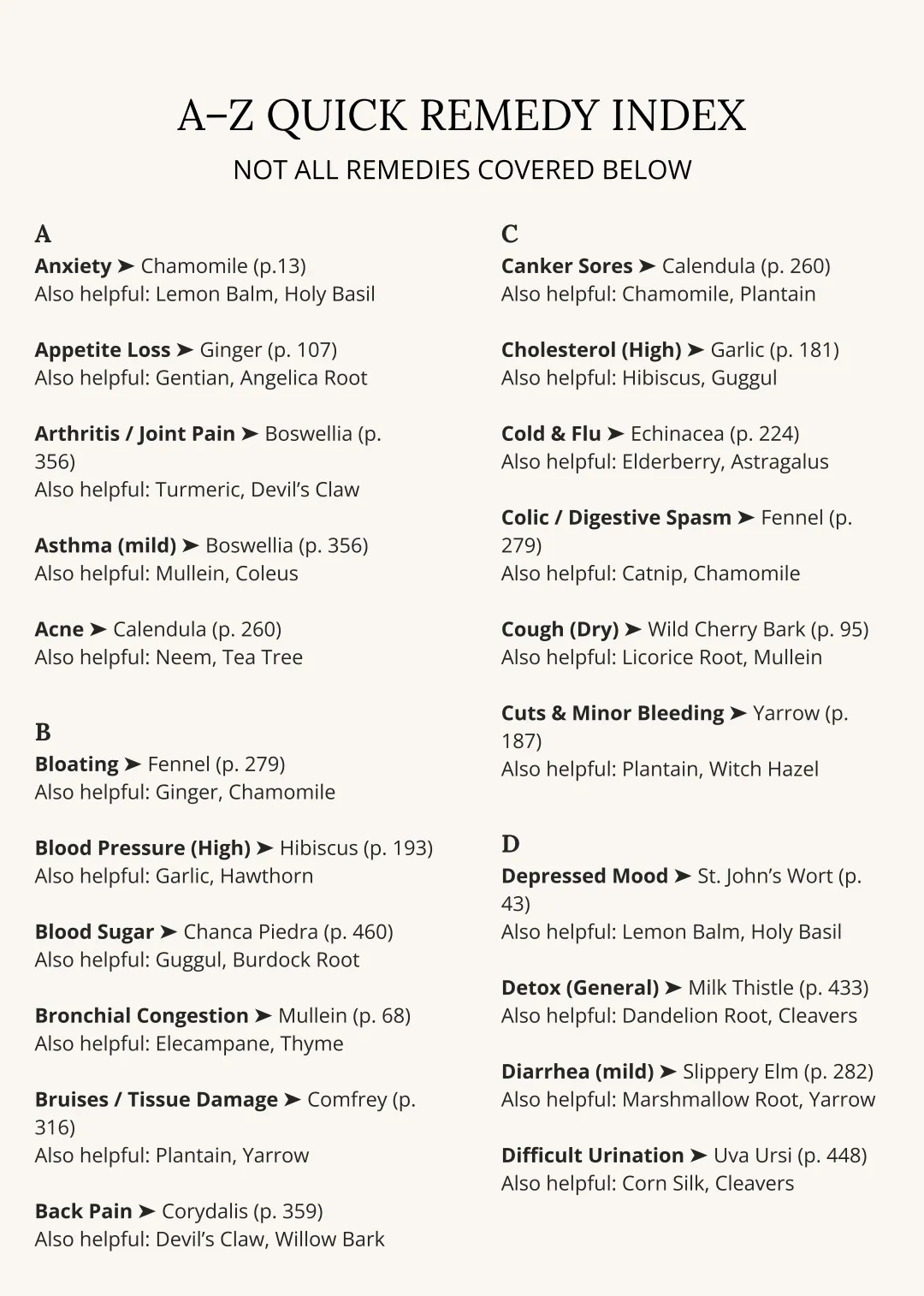
A working reference,
not a one-time read.
Use the A–Z Quick Remedy Index to look up a topic and go straight to the relevant herbs and combinations.
“Surprising Facts” throughout the book connect traditional preparations with the science behind them. Keep the guide handy. Come back whenever you want to learn more.
A few of the recipes
waiting inside your guide.
Open the guide and go straight to the combinations that interest you. Get the ingredients, the method, and the reasoning behind each preparation.
The 3-Step “Sugar Shield”
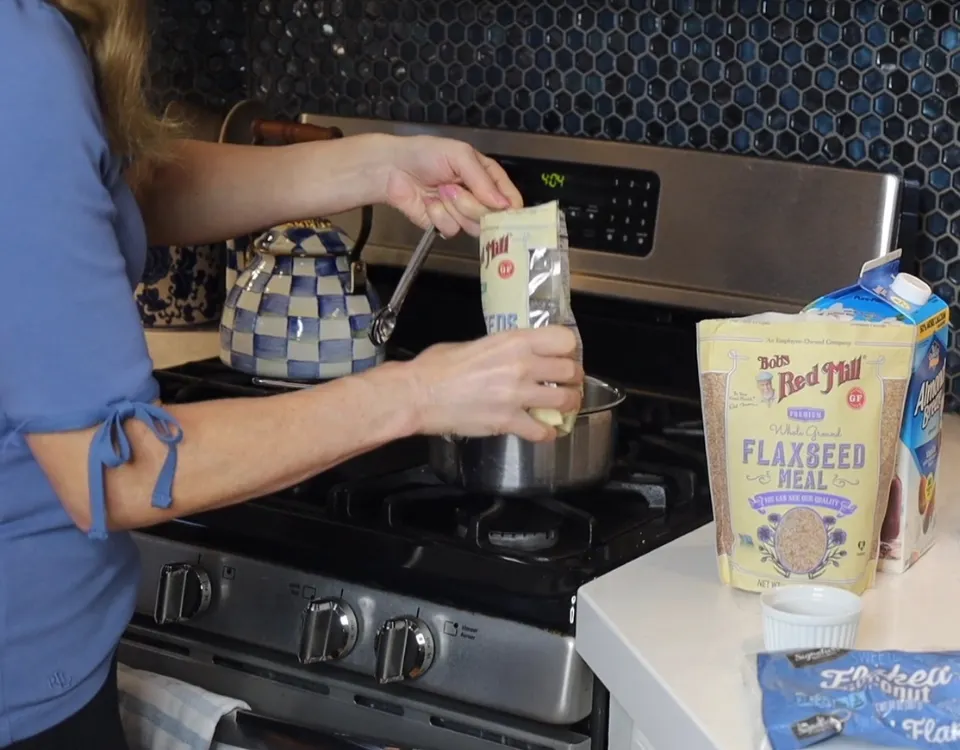
Put your pantry staples to work at mealtime.
The combination: Go beyond cinnamon alone. Explore how the guide pairs a familiar pantry staple with two companion spices in its blood sugar section.
What you’ll learn: The kitchen ratios and preparation steps, so you can follow the recipe without piecing together advice from different websites.
Included in The Herbal Remedy CompanionThe “Double Red” Tea
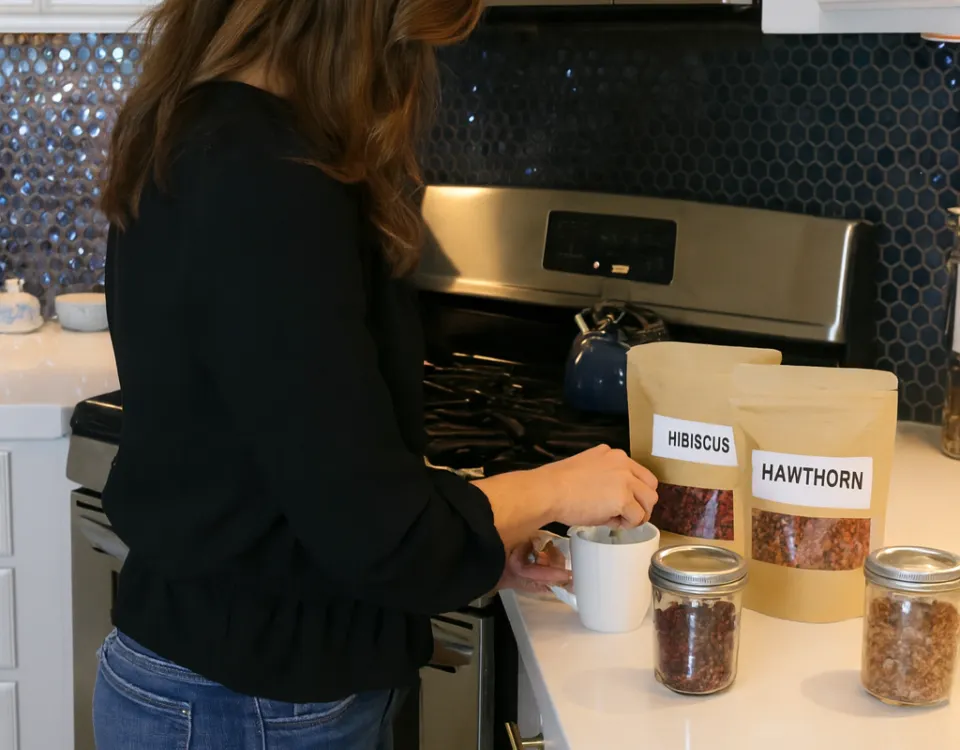
Discover the pairing behind this heart-health chapter.
The combination: Hibiscus and hawthorn berry meet a common kitchen bulb in a blend featured in the guide’s blood pressure section.
What you’ll learn: How to prepare the blend, what each ingredient contributes, and the precautions to review before you brew.
Included in The Herbal Remedy CompanionThe “Triple Heater” Combination
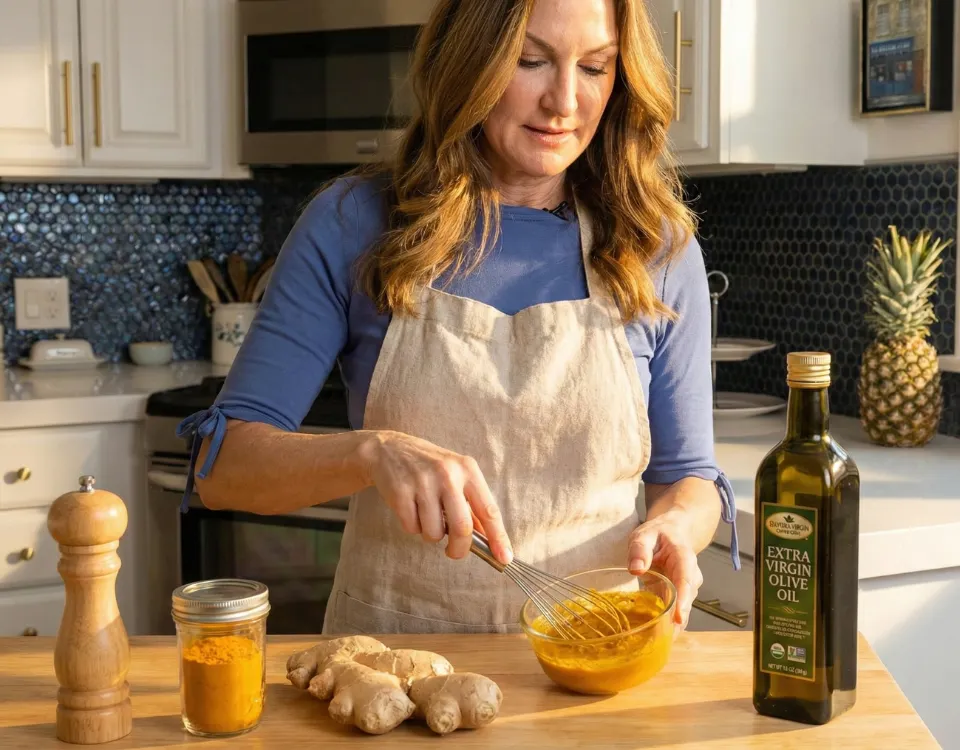
There’s more to this blend than turmeric alone.
The combination: Explore turmeric, black pepper, and a third warming root in the guide’s inflammation section.
What you’ll learn: How carrier fats fit into the preparation, with practical instructions you can reference in your own kitchen.
Included in The Herbal Remedy CompanionThe 2-Minute “Stress-Reset”
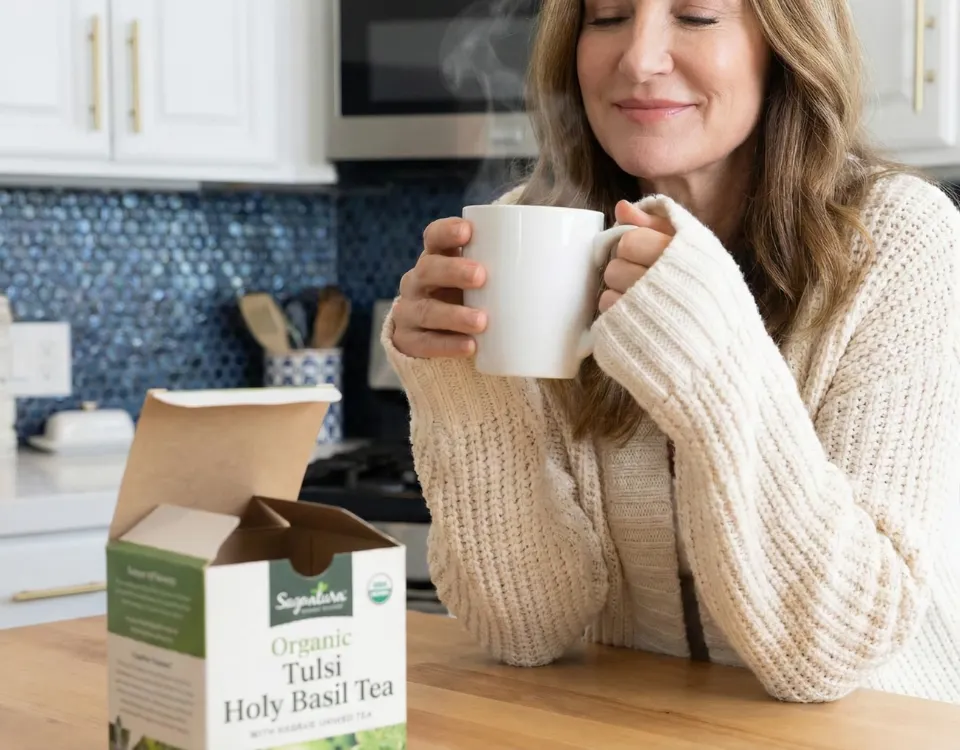
Give your next tea break a purpose.
The combination: Discover the two adaptogen herbs featured in this stress-support pairing, and why the guide brings them together.
What you’ll learn: A straightforward grocery-store routine, plus the preparation and safety notes to read before making it part of your day.
Included in The Herbal Remedy CompanionThe Garden-Herb “Brain Shield”
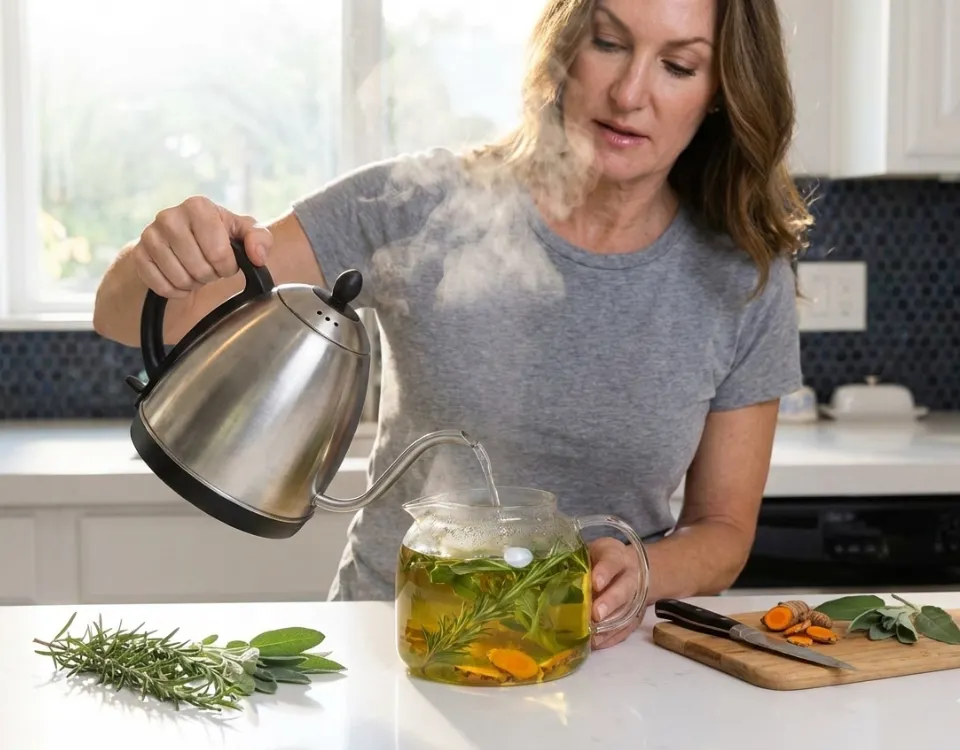
Find the “Deadline Tea” recipe inside.
The combination: Two aromatic garden herbs are paired with turmeric in the guide’s focus and memory section.
What you’ll learn: How to brew the recipe and understand the role of the ingredients, without sorting through pages of technical language.
Included in The Herbal Remedy CompanionThe At-Home “Fire Cider”
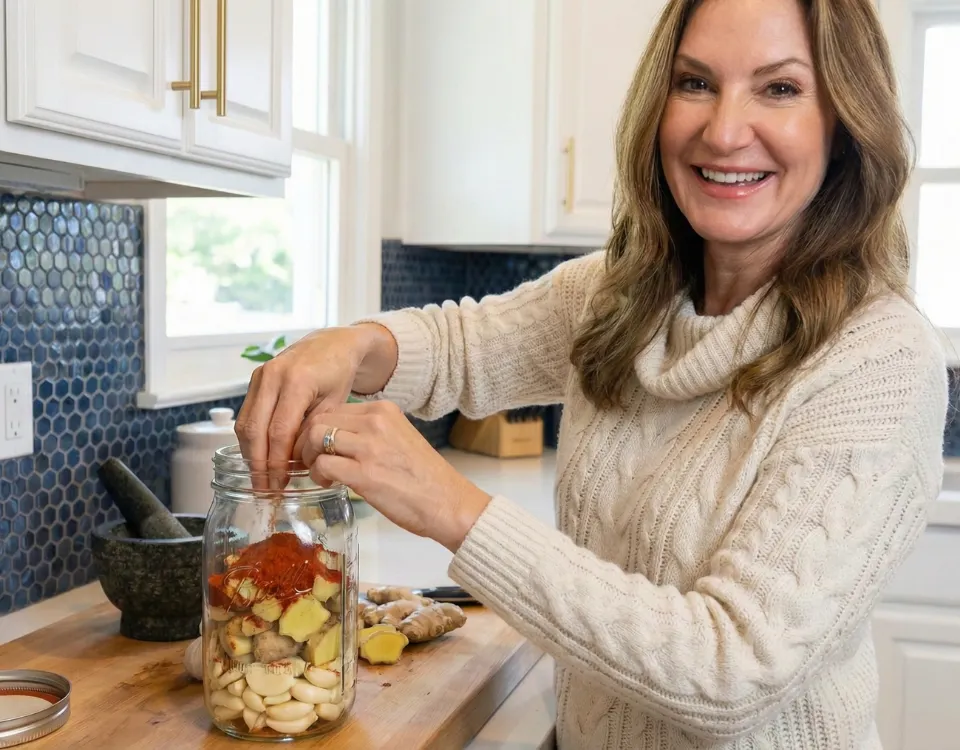
Learn the classic “Fire Cider” preparation.
The combination: Explore the two herbs and a warming ingredient featured in this traditional seasonal-wellness preparation.
What you’ll learn: The mixing method, ingredient combination, and practical notes, all together in one place.
Included in The Herbal Remedy CompanionThe Kitchen Joint-Care Blend

Learn how this topical preparation comes together.
The combination: A familiar golden spice meets a companion root in the guide’s joint-care section.
What you’ll learn: The preparation steps for a topical blend, including the skin-safety precautions to review before applying it.
Included in The Herbal Remedy CompanionThe 3-Seed “Gut Reset”
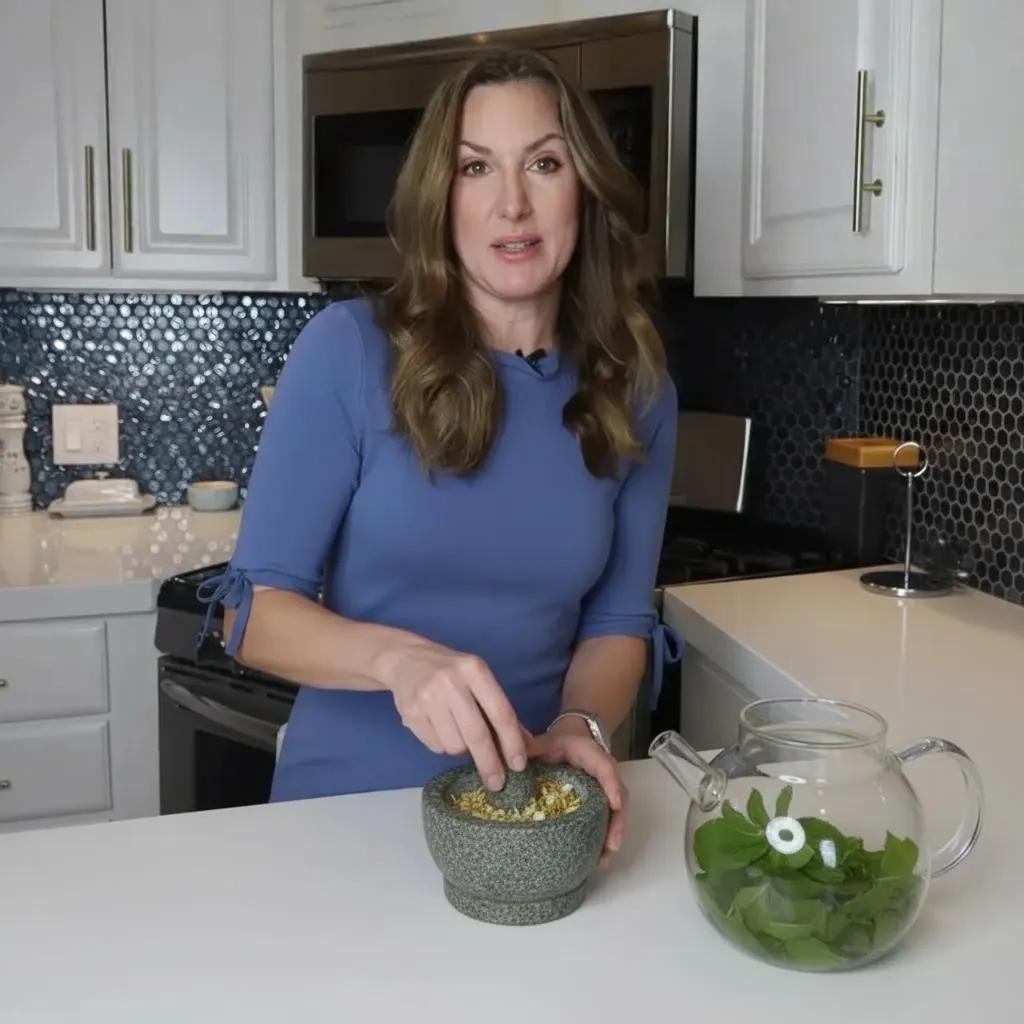
Turn three everyday seeds into a simple tea ritual.
The combination: Discover the seed combination featured in the guide’s digestion section, along with the traditional uses of each ingredient.
What you’ll learn: The three-seed tea method, ready to look up when you want to explore an after-meal routine.
Included in The Herbal Remedy CompanionYour guide is just the beginning.
Get these 2 bonuses FREE.
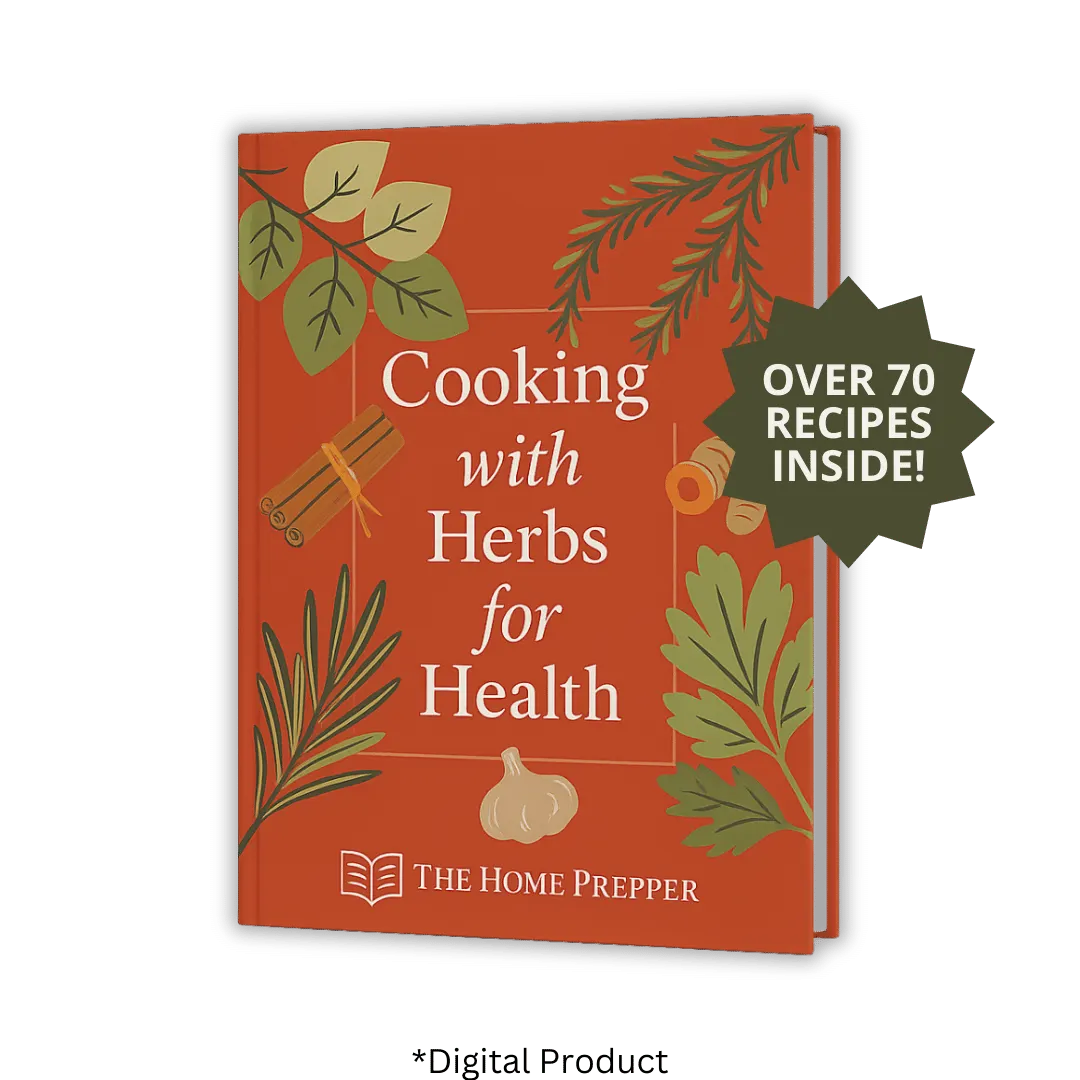
Cooking with Herbs for Health
70+ recipes. Everyday ingredients. A more interesting way to cook.
Bring the ideas
to your dinner table.
Open the bonus cookbook and discover 73 recipes that bring herbs and spices into familiar meals.
From a quick breakfast to a warm bowl of soup, you’ll have practical ideas to try in the kitchen.
- The Blood Sugar Porridge: cinnamon, chia, and fenugreek.
- The Pressure-Drop Salad: a refreshing beet and quinoa combination.
- Family Synergies: comfort food including Turmeric & Ginger Butternut Soup.
Recipe titles are from the original guide; they are not promises of medical results.
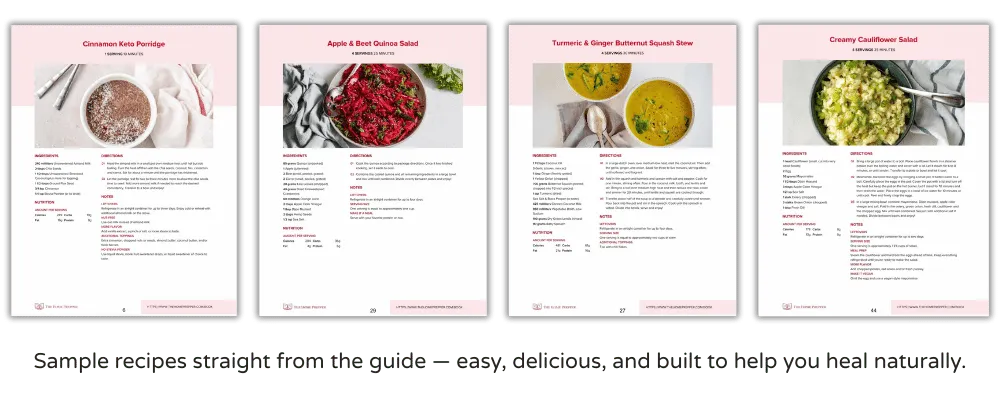
Open the cookbook. Choose a recipe. Bring something new to the table.
The Herbal Tea Apothecary
50+ blends. Clear preparations. Your next tea ritual starts here.
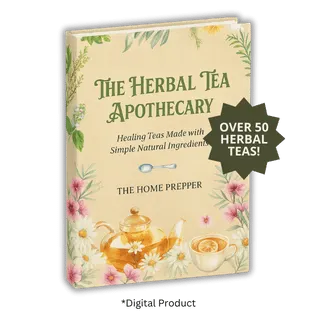
Go beyond your
usual tea bag.
Discover more than 50 herbal blends with preparations you can follow at home. Find the ingredients, learn the pairing, and make the ritual your own.
- The Sweet Sleep Blend: lemon balm and chamomile.
- The Belly Comfort Infusion: the three-seed after-meal ritual.
- The Breathe Easy Boost: a preparation using familiar garden herbs.
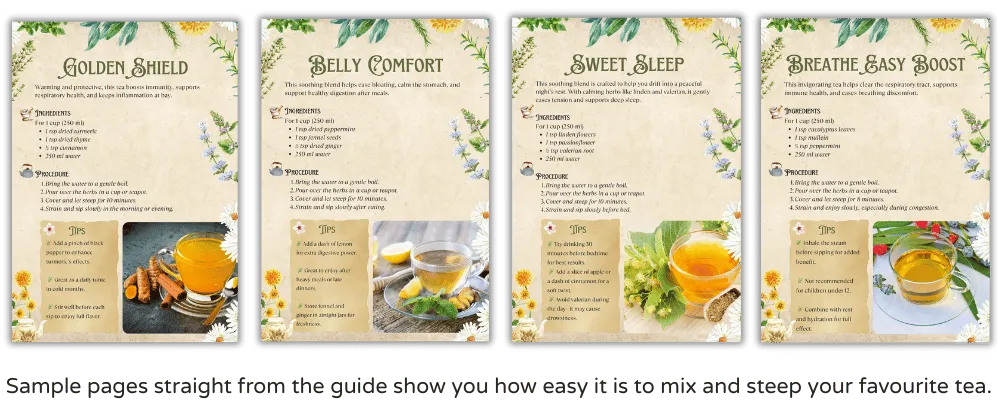
Find a blend. Read the precautions. Put the kettle on.
Three guides. One simple decision.
Get the complete bundle for $19.
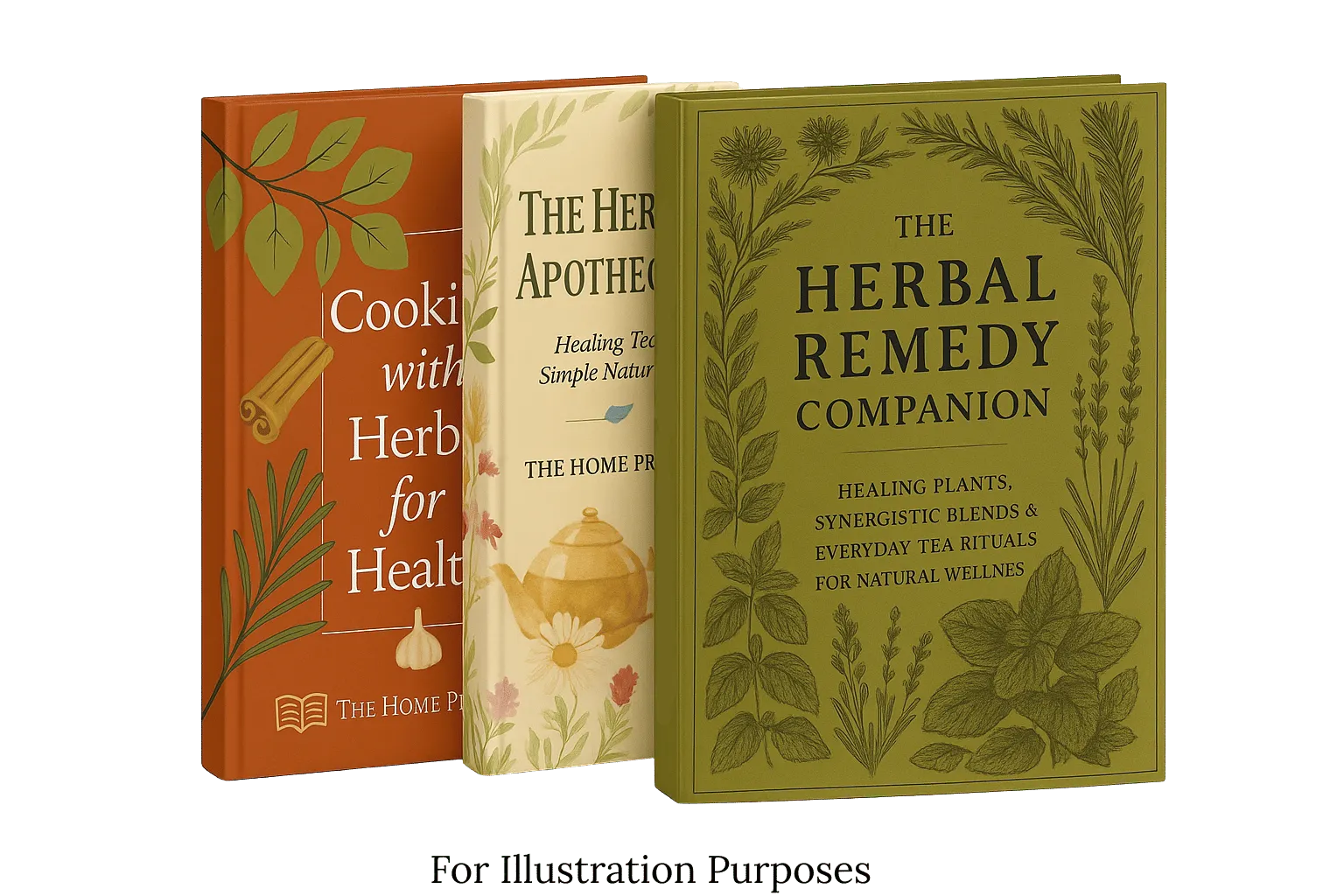
The Herbal Companion Bundle · Digital edition
Your complete
Herbal Companion Bundle.
All three guides.
✓ Instant digital access ✓ 60-day money-back guarantee
Take 60 days.
Make sure it’s right for you.

Your purchase is backed
by a 60-day guarantee.
Read the guide. Explore the recipes. Brew the teas. Give yourself time to decide whether the bundle belongs in your home.
If you’re not satisfied within 60 days, request a 100% refund. No questions asked.
Three guides. One $19 payment. A full 60 days to decide.
Contact support ↗A few questions
before you get started.
Can kitchen herbs replace my prescription?
This bundle is an educational reference, not a substitute for medical advice or prescribed treatment. Herbs can interact with medications. Speak with your doctor or pharmacist before using them, and never change or stop a prescription without your doctor’s approval.
Will I be able to find the ingredients?
The guide focuses on familiar ingredients such as garlic, ginger, rosemary, sage, and common teas. Many can be found in an everyday grocery store. Availability varies by recipe and location.
I’m busy. How much preparation is involved?
Many routines involve only a few minutes of active preparation. Some teas need steeping time, and tinctures or infusions can take longer. Each preparation has its own instructions so you can choose what fits your day.
Is this a physical book or a digital bundle?
This is a digital bundle with instant access after purchase. You get The Herbal Remedy Companion, Cooking with Herbs for Health, and The Herbal Tea Apothecary. No physical books are shipped.
Is the $19 a one-time payment?
Yes. The bundle is offered for one payment of $19 and includes both bonus guides. Select a purchase button to review your order and any applicable tax at the secure Digistore24 checkout.
How does the 60-day guarantee work?
You have 60 days to review the bundle. If you’re not satisfied, contact support@thehomeprepper.com for a 100% refund under the offer’s money-back guarantee.
What readers are saying.

“The handbook saved me so much time. Instead of Googling random remedies, I knew exactly which herbs to pair. My brain fog lifted, and I finally feel focused at work again.”
“I’ve struggled with blood sugar swings for years. The cinnamon porridge recipe was a game changer. Tastes great, and my levels have been more stable than they’ve been in ages.”
“Honestly, the teas are the easiest part of my routine now. A cup at night, and I sleep deeper without reaching for sleep aids.”
Individual experiences do not establish effectiveness or predict your results.
Make your next step
a simple one.
More useful knowledge.
Right at your fingertips.
Stop saving another tip for later. Get the complete reference now: 470+ pages, 200+ remedies, 73 recipes, and 50+ tea blends. All three guides are yours for one payment of $19, backed by the 60-day guarantee.
Research & references
- Khan, S. et al. (2024). The effect of turmeric and black pepper powder incorporated in breakfast on postprandial glycemia, appetite, palatability, and gastrointestinal well-being in normal-weight adults. Food Science & Nutrition, 12(4), 2846–2854. Read study ↗
- Shoba, G. et al. (1998). Influence of piperine on the pharmacokinetics of curcumin in animals and human volunteers. Planta Medica, 64(4), 353–356. This is the source of the bioavailability finding discussed above. Read study ↗
- Barros, M.E., Schor, N. and Boim, M.A. (2003). Effects of an aqueous extract from Phyllanthus niruri on calcium oxalate crystallization in vitro. Urological Research, 31(6), 365–370. Stone Breaker reference; an in-vitro study does not establish effectiveness in people.
- Rundek, T. et al. (2004). Atorvastatin decreases the coenzyme Q10 level in the blood. Included as background context; this is not evidence that herbs should replace prescribed medicines.